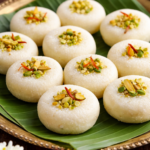
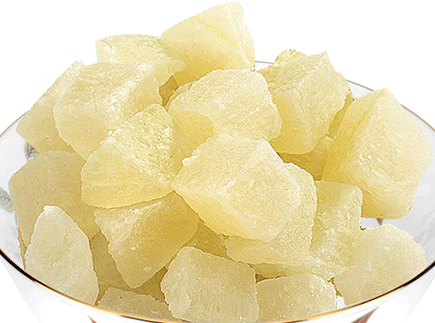

There are sweets that shout for attention—and then there is Petha, understated, pale, almost shy. And yet, this iconic Agra mithai has survived empires, trends, and taste revolutions, quietly earning its place on India’s dessert table.
Soft, crystalline, and delicately sweet, Petha is not just something you eat. It’s something you discover—often unexpectedly, usually memorably.
A Sweet Born in the Shadow of the Taj
Legend places Petha’s origins in the Mughal kitchens of Emperor Shah Jahan, where royal chefs were tasked with creating a dessert as pure and enduring as the marble monument rising outside. What they arrived at was deceptively simple: ash gourd, sugar, patience.
Agra embraced the sweet, perfected it, and passed it down through generations of halwais. Centuries later, Petha remains inseparable from the city—now protected with Geographical Indication (GI) status, ensuring that true Agra Petha remains exactly that: true.
What Petha Is Really Made Of
At first glance, Petha looks almost unreal—translucent, glassy, glowing softly in the light. But its ingredients are refreshingly humble:
- Ash gourd (winter melon)
- Sugar
- Water
- Lime water for structure
- Natural Indian flavorings
No dairy. No ghee. No heavy richness. Just balance.
The Slow Art of Making Petha
Good Petha cannot be rushed.
Fresh ash gourd is peeled, cut, and soaked in lime water—an old technique that gives the sweet its gentle firmness. The pieces are then boiled until they turn translucent, before being left to rest in sugar syrup for up to two days.
Some are dried slightly for a clean bite. Others are perfumed with rose, saffron, kewra, or paan. The process is quiet, repetitive, almost meditative—much like the sweet itself.
From Classic to Contemporary: Petha Today
Once known only in its plain form, Petha has evolved with the times.
Today, sweet shops proudly display:
- Angoori Petha, small and juicy
- Kesar Petha, delicately aromatic
- Paan Petha, bold and playful
- Chocolate and dry-fruit Petha, made for modern palates
Purists may argue over innovation, but there’s no denying that these variations have introduced Petha to a new generation.
Where to Find the Real Thing
In Agra, Petha is everywhere—but the best versions still come from old, trusted sweet shops tucked into busy bazaars. Names like Panchhi Petha have become institutions, while smaller family-run stores quietly guard recipes older than their signboards.
Outside Agra, GI-certified sellers now ship vacuum-sealed Petha across India and abroad. Railway stations and airports, too, offer neatly packed boxes—often bought on impulse, rarely regretted.
A Surprisingly Light Indulgence
Despite its sugar syrup bath, Petha feels lighter than most Indian sweets. Ash gourd is known in Ayurveda for its cooling properties, and the absence of milk or fat makes Petha easier on the palate.
It’s a dessert you can return to—not overwhelming, not excessive.
Why Petha Endures
In a time obsessed with excess, Petha’s restraint feels almost radical.
It doesn’t dazzle. It doesn’t compete. It simply exists—quietly sweet, patiently made, deeply rooted in place.
To taste Petha is to taste Agra itself: layered, historic, and far more subtle than it first appears.