
Cuttack Silver Filigree (Tarakasi): The Lacework of Silver
Cuttack—long known as the “Silver City of India”—is famed for its exquisite Tarakasi (also written Tarakasi / Tarakashi / Rupa Tarakasi): a delicate silver filigree technique that resembles lace crafted in metal.
This blog explores the history, making process, signature designs, modern uses, authentication tips, and trusted places to buy genuine Cuttack silver filigree.
Just 22 km from Bhubaneswar, Cuttack is a must-visit destination during any Odisha tour.
What Is Tarakasi?
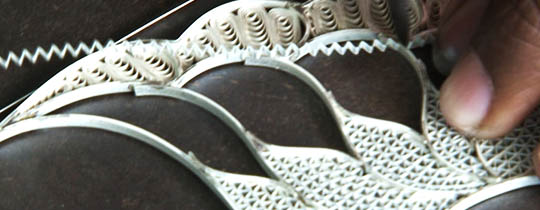
Tarakasi is a centuries-old craft where ultra-fine silver wires are twisted, curled, and soldered into intricate, lace-like motifs. These delicate creations are used for:
- Jewellery
- Temple and ceremonial objects
- Home décor and collectibles
The word “Tara” means wire, reflecting the essence of this art form.
Short History & Cultural Importance
The craft has been practiced in and around Cuttack for several centuries, flourishing under royal and Mughal-era patronage. Over time, it became deeply embedded in Odisha’s bridal jewellery, temple rituals, and Odissi dance traditions.
In March 2024, “Cuttack Rupa Tarakasi (Silver Filigree)” was awarded a Geographical Indication (GI) tag. This recognition:
- Protects the craft’s regional identity
- Safeguards artisan livelihoods
- Assures buyers of authenticity
Materials & How Tarakasi Is Made
Raw Materials
Sterling silver or hallmarked silver is commonly used. Artisans melt, cast, and draw silver into extremely thin wires.
The Process
- Silver is pulled through successively smaller holes to create ultra-fine wires.
- A base frame or skeleton is prepared.
- Fine wires are shaped into curls, spirals, beads, and scrolls.
- The elements are carefully soldered using minute amounts of heat and flux.
- Finished pieces are cleaned, polished, and sometimes lightly oxidised for contrast.
Some contemporary pieces may include stones or coloured elements.
Signature Designs, Motifs & Products
Motifs:
- Floral scrolls
- Paisleys
- Peacocks
- Geometric lace panels
- Tiny granules and spirals
Common Products:
- Jewellery: earrings, necklaces, bangles, anklets, hairpins, brooches
- Ceremonial items: deity idols, aarti dishes
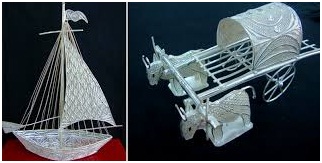
- Showpieces: miniature chariots, temple replicas
- Home décor: lampshades, photo frames
Why Collectors & Tourists Love Tarakasi
- Intricacy: Looks like embroidered silver lace
- Cultural Value: Integral to Odissi dance and temple traditions
- Versatility: Traditional craftsmanship meets modern design
Recent Developments & Artisan Support
Odisha has taken several initiatives to revive and sustain the craft. A Silver Filigree Common Facility Centre has been approved/launched to provide artisans with:
- Improved infrastructure
- Skill development and training
- Marketing and export support
GI protection and wider handicraft policy reforms further help preserve the identity and competitiveness of Tarakasi.
How to Authenticate Cuttack Tarakasi (Quick Checklist)
- Workmanship: Look for ultra-fine wires and neat joints, not crude solder blobs.
- Weight: Genuine pieces feel lightweight due to openwork.
- Silver Purity: Ask for hallmark or silver content certification.
- Finish: Tiny irregularities indicate handwork; machine-perfect uniformity is a red flag.
- Source: Buy from GI-backed sellers, cooperatives, or known artisan clusters.
Price Guide & What Affects Cost
Factors:
- Silver purity and weight
- Design intricacy
- Antique vs contemporary
- Use of stones or mixed materials
Indicative Range: Small pendants or earrings may start from a few hundred to a few thousand rupees, while elaborate bridal sets or showpieces can cost significantly more.
Prices fluctuate with silver rates—always check current prices and request a weight certificate.
Where to Buy Authentic Cuttack Tarakasi
Cuttack is home to nearly 2,000 Tarakasi artisans, many of whom have inherited the craft across generations.
Major artisan clusters include:
- Dolomundai
- Nayasarak
- Choudhary Bazaar
- Balu Bazaar
- Bania Sahi
Visiting workshops allows you to see the making process, commission custom pieces, and buy directly from artisans. Cooperative-backed stalls, craft melas, and exhibitions are also reliable sources.
Tips for Buyers & Collectors
- Always ask for origin and maker details
- Insist on hallmarking for high-value jewellery
- Custom orders are possible—allow extra time
- Prefer GI-backed or cooperative sellers to support artisans
Conclusion
Cuttack Silver Filigree (Tarakasi) is a fragile yet enduring art—part jewellery, part lacework, and entirely a reflection of Odisha’s cultural soul.
The GI tag, government support, and growing digital platforms are helping keep this tradition alive, but its true essence remains in the skilled hands of Cuttack’s artisans.
When you buy Tarakasi, you’re not just buying silver—you’re preserving a living heritage.